
How To Sleep with May-Thurner Syndrome
November 11, 2024
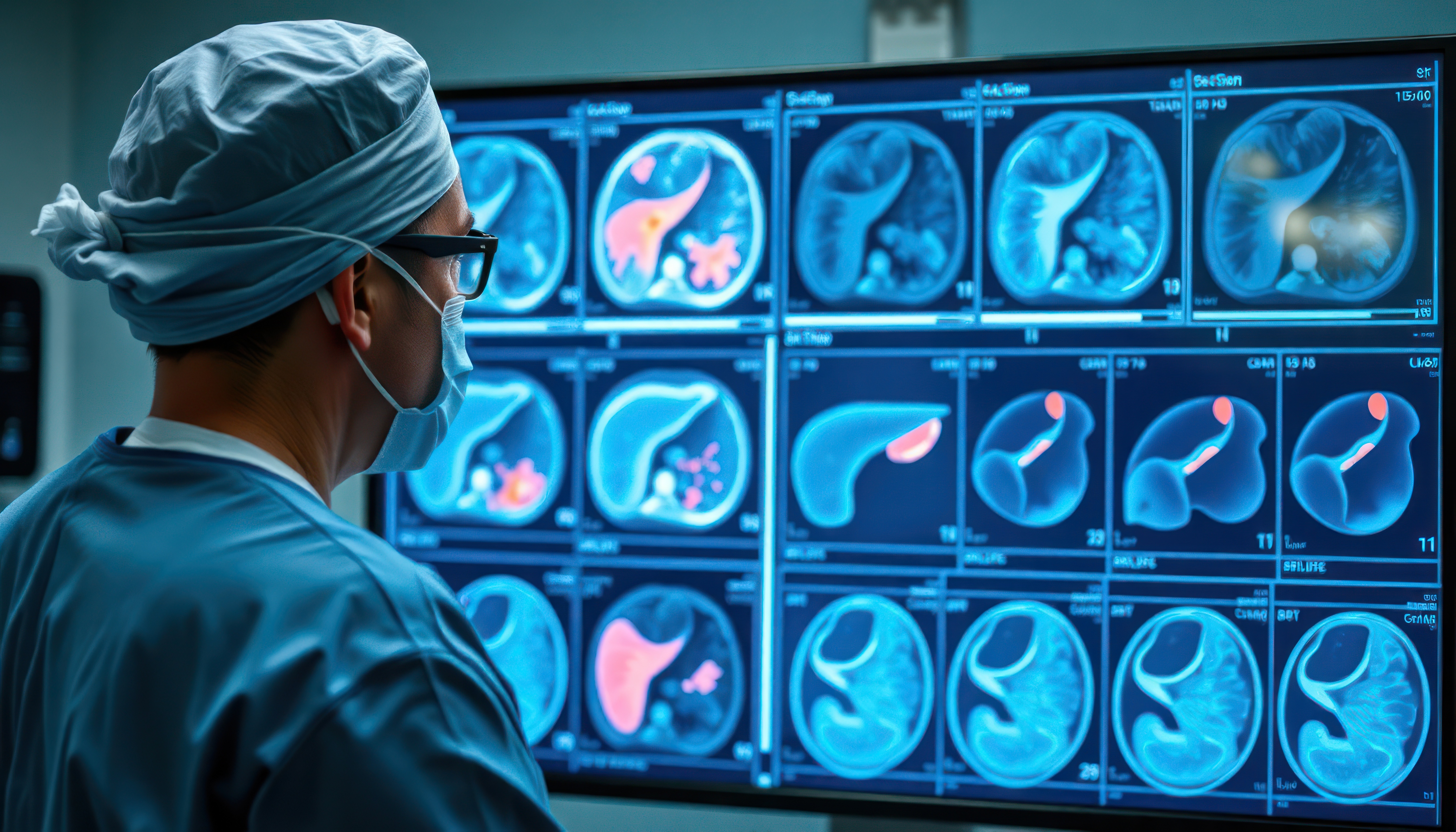
A woman we’ll call Lisa, 46, had been dealing with vague symptoms for months: fatigue, occasional pain in her right side, and a general sense that something was off. Her labs were mostly normal. A routine ultrasound showed something small — but unclear.
Her doctor referred her for advanced diagnostic imaging for cancer — just in case.
What it found changed her entire care plan.
Lisa almost skipped the appointment. She didn’t feel “sick enough,” and the idea of a CT scan made her nervous. But something about how her symptoms weren’t adding up pushed her to follow through.
The CT scan showed a small but suspicious mass in her liver — one that hadn’t been visible on basic ultrasound.
When symptoms are subtle, or when early-stage cancers don’t show up on blood tests, imaging plays a critical role in catching what can’t be seen from the outside.
Diagnostic imaging for cancer helps detect:
Because Lisa caught it early, her care team had more options.
She was referred to an interventional oncologist, who recommended a targeted biopsy to confirm the diagnosis. The procedure was quick, image-guided, and done outpatient.
Once the results were back, Lisa qualified for chemoembolization — a minimally invasive treatment that targeted her tumor directly without open surgery.
Learn how imaging guides early cancer diagnosis — Mayo Clinic
Lisa is now doing well. She’s in follow-up care, feeling stronger, and grateful she trusted her instincts — and the imaging.
Her story isn’t rare. Many patients only get answers when someone decides to look deeper.
Talk to your doctor if:
Diagnostic imaging for cancer is safe, fast, and often the turning point in getting the right care.
Read more patient-first cancer care stories on our blog.
Browse top-rated specialists and book an appointment with ease.
Find a DoctorSubscribe to our newsletter for expert health insights, the latest treatments, and tips from top specialists—delivered straight to your inbox.





0 comments