Chronic Kidney Disease
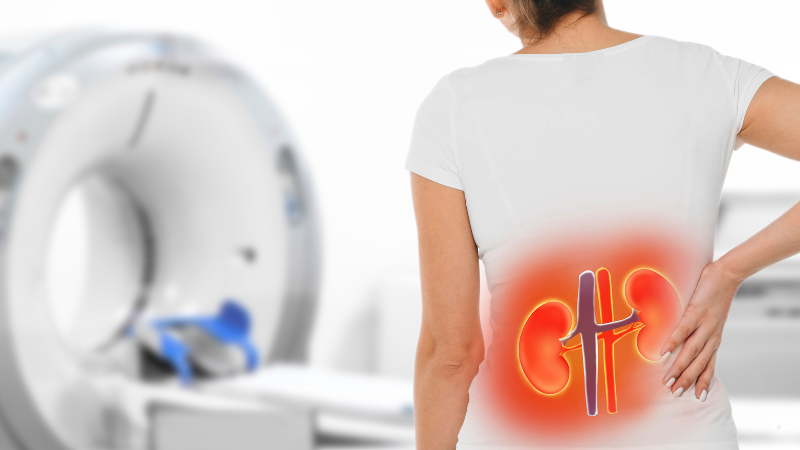
Kidney disease means your kidneys aren’t working properly and are starting to lose their function. It often gets worse over time and can be caused by things like high blood pressure and diabetes. While there’s no cure, there are ways to help slow down its progress.
About 15% of American adults, which is around 37 million people, have kidney disease. Out of them, about 808,000 have kidney failure, also known as end-stage renal disease (ESRD). Many people with ESRD need dialysis, and some may have a kidney transplant.
In the early stages, you might not have any noticeable symptoms. But as it gets worse, you may experience:
- Darkening of the skin
- Dry or itchy skin
- Feeling tired or weak
- Foamy urine
- High blood pressure
- Losing appetite
- Nausea, vomiting, or muscle cramps
- Needing to urinate more often
- Numbness
- Puffy eyes
- Shortness of breath
- Swelling in your hands, feet, or ankles
- Trouble concentrating
- Trouble sleeping
It can take years before you notice these signs.
Kidney disease happens when your kidneys get hurt and can’t clean your blood properly. This damage usually takes years to develop.
The most common causes are high blood pressure and diabetes. Other things that can hurt your kidneys and cause kidney disease include:
- Glomerulonephritis: Damage to tiny filters in your kidneys.
- Polycystic kidney disease: A genetic problem that makes fluid-filled sacs grow in your kidneys.
- Membranous nephropathy: Your immune system attacking the filters in your kidneys.
- Urinary tract blockages: Things like kidney stones, an enlarged prostate, or cancer can block pee from flowing properly.
- Vesicoureteral reflux: Pee going the wrong way, back to your kidneys.
- Nephrotic syndrome: A group of symptoms showing kidney damage.
- Recurrent kidney infections: Infections that keep coming back and hurting your kidneys.
- Diabetes-related nephropathy: Damage or trouble with nerves caused by diabetes.
- Immune system diseases like lupus, polyarteritis nodosa, sarcoidosis, Goodpasture syndrome, and Henoch-Schönlein purpura that can also hurt your kidneys.
Your doctor will talk to you about your health and symptoms, do a physical exam, and order blood and urine tests to check how well your kidneys are working.
Your doctor might do:
- Blood tests to check your kidney function and waste levels
- Imaging tests like ultrasound, MRI, or CT scans to check the size and structure of your kidneys
- Sometimes a kidney biopsy to see the type and extent of damage.
- Urine tests to look for protein and blood
There’s no cure, but you can:
- Avoid certain medications that can harm your kidneys
- Follow a kidney-friendly diet
- Manage your blood sugar and blood pressure
- Quit smoking if you do
- Stay active and at a healthy weight
- Take medications as prescribed, like blood pressure pills or ones to lower cholesterol
- Visit your doctor regularly to keep an eye on your kidney health
If your kidney disease is severe, you might need dialysis or a kidney transplant.
Your regular doctor can diagnose kidney disease, but you’ll need to see a kidney specialist called a nephrologist for ongoing care. If you need dialysis or a transplant, you’ll work with other specialists like surgeons.
Find DoctorYou don’t usually need a referral to see an interventional nephrologist. But, some insurances might have their own rules about this.
Find Doctor